

Sand
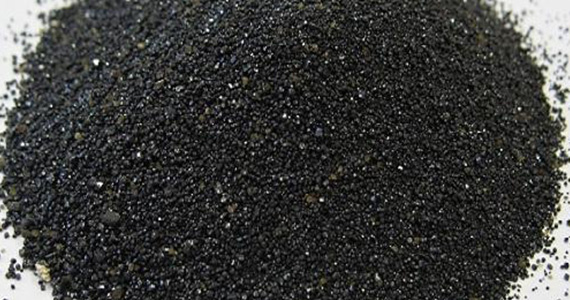
Chromite Sand
Chromite Sand is a naturally occurring spinel consisting primarily of the oxides of chrome and iron. It is a by-product of ferro-chrome production and is mainly used in foundry applications and in glass production. Its properties enable the material to be used in high duty grey iron and steel foundries as a core and mould making sand. Its high thermal conductivity gives it good chilling properties whilst its low thermal expansion gives rise to good dimensional stability. Its basicity being close to neutral allows the use of a wide range of resin bonding systems and inorganic binders.
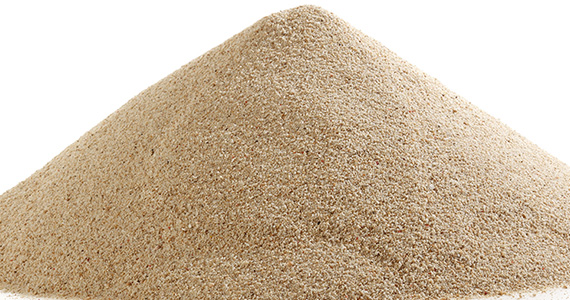
Zircon Sand
Zirconium Silicate or Zircon is a naturally occurring sand. It has a high thermal expansion coefficient. Zircon’s low thermal expansion rate, its high thermal conductivity and its non-wettability by molten metal make it an ideal mould and chill sand. Zircon Flour is also used in core and mould coatings to improve surface finish. This is used in many industries like ceramic tiles, refractory, foundry etc.
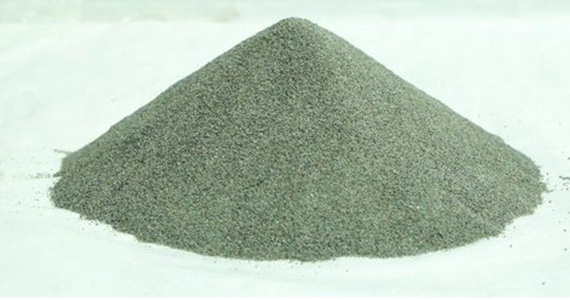
Olivin Sand
Olivine is a naturally occurring mineral magnesium iron silicate with a high melting point and density. Olivines properties vary depending on the levels of its two main components, forsterite (Fo) and fayalite (Fa). Olivine is named after its olive green colour. Olivine Sand is suitable for use in alkaline resin bonded systems and produces a clean surface finish, making it suitable for foundry castings, especially for manganese steel and non-ferrous metals casting.